
Medically Reviewed by Dr. Ruchi Bhirud, Board-Certified Dermatologist & Skin Expert
Quick Answer: Learning how to prevent post-inflammatory hyperpigmentation after acne requires controlling inflammation early, protecting skin from UV rays, and stopping bad habits like popping pimples. Applying daily broad-spectrum sunscreen, using gentle active ingredients, and maintaining a restored skin barrier prevent skin cells from overproducing pigment, keeping dark spots from becoming permanent.
Understanding Acne and Post-Inflammatory Hyperpigmentation (PIH):
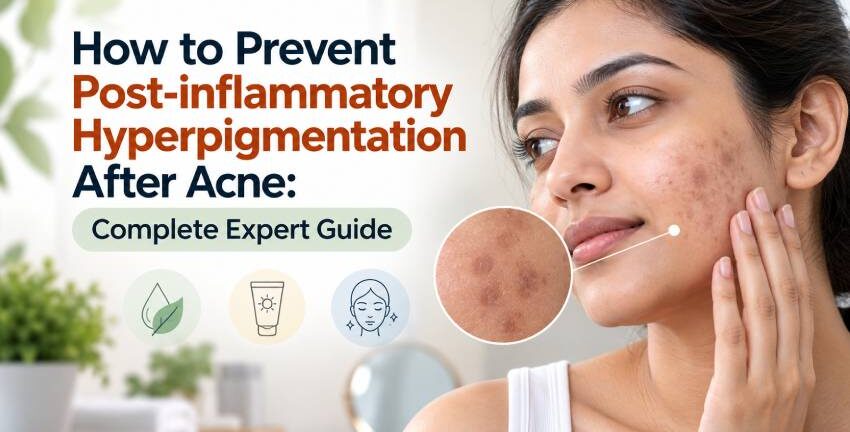
Acne breakouts are frustrating, but the dark marks left behind often cause even greater distress. This discoloration is medically known as post-inflammatory hyperpigmentation (PIH). It occurs when an active breakout triggers excess pigment production in the skin during the healing phase.
Unlike pitted scars, post-inflammatory hyperpigmentation is flat and ranges in color from pink, red, and purple to dark brown or black. Many people search for ways to get rid of pimples and marks or how to reduce pimple marks after the damage is already done. However, taking proactive steps early is the most effective strategy to keep your skin clear and smooth.
Dr. Ruchi Bhirud Dermatologist emphasizes that preventing PIH begins the moment a pimple starts forming, long before dark spots settle into the skin.
Acne breakouts are frustrating, but the dark marks left behind often cause even greater distress. This discoloration is medically known as post-inflammatory hyperpigmentation (PIH). It occurs when an active breakout triggers excess pigment production in the skin during the healing phase.
Unlike pitted scars, post-inflammatory hyperpigmentation is flat and ranges in color from pink, red, and purple to dark brown or black. Many people search for ways to get rid of pimples and marks or how to reduce pimple marks after the damage is already done. However, taking proactive steps early is the most effective strategy to keep your skin clear and smooth.
Dr. Ruchi Bhirud Dermatologist emphasizes that preventing PIH begins the moment a pimple starts forming, long before dark spots settle into the skin.
Why Do Dark Spots Form After an Acne Breakout?
To stop discoloration before it begins, it helps to understand what happens inside the skin during a breakout. When a pore becomes clogged with sebum, dead skin cells, and bacteria, the body triggers an inflammatory skin response.
This natural defense mechanism brings immune cells to the area, but it also alerts melanocytes—the pigment-producing cells in your skin.
Key triggers that worsen post-acne dark spots include:
- Physical Trauma: Squeezing or picking a pimple causes mechanical damage, pushing inflammation deeper into the dermis.
- UV Exposure: Sunlight activates tyrosinase enzymes, turning fresh pink marks into dark brown or black spots.
- Severe Inflammation: Large cysts and deep pustules create deeper skin damage, increasing the risk of pigmented scars from acne.
- Delayed Treatment: Leaving active acne untreated allows inflammation to linger, increasing total melanin buildup.
Understanding this process makes it clear why learning how to stop acne dark spots from forming requires stopping inflammation at its root.
The Golden Rules to Prevent PIH After Acne:
Following proven post-inflammatory hyperpigmentation prevention tips ensures your skin heals without long-lasting discoloration.
1. Never Pick, Pop, or Squeeze Pimples
Popping a pimple breaks the follicle wall and forces bacteria further into surrounding tissue. This worsens skin trauma and almost guarantees a pimple scar turns black. If you are looking for how to avoid dark spots after pimples, keeping your hands off your face is the single most effective habit you can adopt.
2. Prioritize Daily Sun Protection
Exposure to ultraviolet (UV) radiation is the primary reason post-acne marks darken and persist for months. Understanding the connection between post-acne marks and UV exposure is essential for prevention.
- Apply a broad-spectrum sunscreen with SPF 30 or higher every morning.
- Choose light, non-comedogenic formulas that will not clog pores.
- Reapply every two hours when outdoors to prevent dark spots from acne worsening.
3. Use Gentle, Non-Comedogenic Skincare
Aggressive scrubbing or harsh alcohol-based products strip the skin barrier, increasing redness and irritation. Always select non-comedogenic skincare products that support natural healing without causing fresh breakouts.
4. Treat Active Breakouts Immediately
The faster you reduce pimple redness and swelling, the lower your chances of developing severe acne hyperpigmentation on the face. Incorporating a targeted Acne and Pimple Treatment regimen under professional guidance calms active lesions before they leave deep marks behind.
Key Skincare Ingredients to Stop Pigmentation Early:
Using targeted active ingredients during and immediately after a breakout helps inhibit excess pigment production. Look for topicals that offer melanin production inhibition and act as tyrosinase inhibitors for acne marks.
When selecting products, choosing a well-formulated post-inflammatory hyperpigmentation cream or serum can accelerate recovery. For best results, Dr. Ruchi Bhirud Skin Expert recommends introducing new actives gradually to avoid triggering skin sensitivity.
Step-by-Step Morning and Evening Prevention Routine:
A consistent acne mark prevention skincare routine balances active treatment with barrier repair.
Morning Routine: [Gentle Cleanser] ➔ [Niacinamide / Vitamin C] ➔ [Lightweight Moisturizer] ➔ [Broad-Spectrum Sunscreen]
Evening Routine: [Gentle Cleanser] ➔ [Azelaic Acid or Retinoid] ➔ [Barrier Repair Night Cream]
Morning Routine: Protect & Prevent
- Cleanse: Wash face with a gentle, sulfate-free cleanser to remove overnight oil.
- Treat: Apply a serum containing Niacinamide or Vitamin C to protect against environmental damage.
- Moisturize: Use an oil-free, non-comedogenic gel moisturizer to lock in hydration.
- Protect: Finish with a generous layer of SPF 30+ broad-spectrum sunscreen.
Evening Routine: Repair & Renew
- Cleanse: Remove sunscreen, oil, and pollution thoroughly.
- Treat: Apply a prescribed topical retinoid or Azelaic Acid to speed skin renewal.
- Hydrate: Apply a soothing night cream containing ceramides or hyaluronic acid to strengthen the skin barrier.
Adopting a structured, Customized Skincare Routine ensures long-term protection against dark marks and recurring breakouts.
Common Mistakes That Make Acne Marks Worse:
Even with good intentions, simple skincare mistakes can slow down how fast hyperpigmentation fades.
- Over-Exfoliating Active Acne: Using harsh physical scrubs or high-percentage acids breaks the skin barrier and increases dark spot intensity.
- Using DIY Home Remedies: Applying lemon juice, baking soda, or toothpaste onto pimples causes chemical burns, resulting in severe post-inflammatory darkening.
- Expecting Overnight Results: Fading dark spots requires time and consistency. Switching products every few days causes unnecessary irritation.
- Treating Spots While Ignoring Active Acne: Focusing only on fading dark marks without stopping new pimples leads to a continuous cycle of new pigmentation.
- Skipping Moisturizer: Dry, dehydrated skin heals much slower, making acne scars and hyperpigmentation more noticeable.
Professional Options for Persistent Post-Acne Marks:
If prevention steps were started late or if dark spots persist despite home care, professional dermatological procedures offer fast, effective relief. Advanced clinical treatments accelerate pigment breakdown safely under medical supervision.
- Chemical Peels for Pigmentation: Medical-grade peels using glycolic, salicylic, or lactic acid exfoliate damaged outer layers, revealing fresher, evenly toned skin.
- Laser Skin Resurfacing: Targeted light energy breaks down deep-seated pigment clusters without harming surrounding tissue.
- Medical Microneedling: Stimulates natural collagen production and cell renewal to smooth texture and fade discoloration.
- Anti-Aging and Skin Rejuvenation Therapies: Customized clinical treatments restore overall skin health, brightness, and elasticity.
Consulting a specialist ensures you receive treatments tailored precisely to your specific skin type and tone.
Achieving Clear, Discoloration-Free Skin:
Preventing post-inflammatory hyperpigmentation after acne requires patience, barrier care, and consistent sun protection. By addressing active breakouts early and avoiding physical trauma like pimple popping, you protect your skin’s natural healing process.
Knowing how to get rid of pigmentation on the face and how to get rid of pimple marks on the face starts with healthy daily habits. For persistent dark marks or tailored advice on how to remove black pimples on the face, consulting Dr. Ruchi Bhirud ensures expert, safe, and effective care for your skin journey. To book an appointment or speak with the team directly, you can call +91 98765 43210.
Frequently Asked Questions (FAQ's):
What is the difference between an acne scar and post-inflammatory hyperpigmentation?
How long does it take for post-acne hyperpigmentation to fade?
Without treatment, mild hyperpigmentation can take 3 to 6 months to fade, while deeper dark spots may persist for 1 to 2 years. Applying sun protection daily and using dermatologist-recommended topical brighteners significantly speeds up this timeline.
Can dark spots form on darker skin tones more easily?
Yes, darker skin tones naturally possess more active melanocytes. When inflammation occurs, these cells produce pigment more readily, making PIH more frequent and longer-lasting. Dr. Ruchi Bhirud specializes in tailored treatments safe for all skin phototypes to prevent rebound hyperpigmentation.
Is it safe to use acne hyperpigmentation remedies while still having active breakouts?
Yes, ingredients like Azelaic Acid and Niacinamide treat active acne while simultaneously preventing pigment buildup. However, aggressive brightening agents should be avoided on open pimples. For personalized guidance on combining active treatments safely, scheduling Dermatologist Consultation Services provides a clear roadmap.
How can I stop pimples from leaving black marks on my face?
To stop pimples from leaving dark marks, apply anti-inflammatory treatments early, avoid picking or squeezing, and wear sunscreen daily. Early medical intervention for severe breakouts prevents deep tissue damage.
What treatments help when hyperpigmentation is severe or deep?
For stubborn or deep discoloration, professional Pigmentation and Melasma Treatment options—such as targeted chemical peels and laser therapies—effectively break down excess pigment in deeper skin layers.