

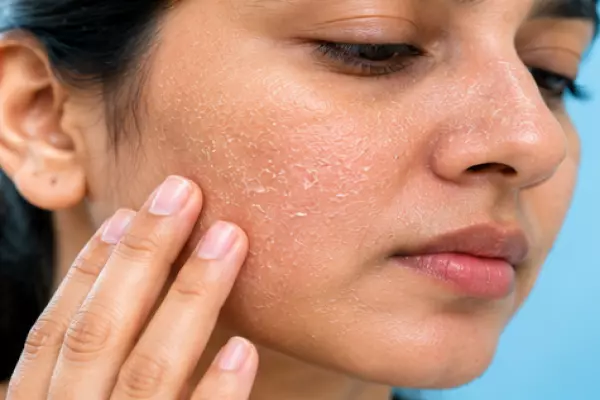
Winter can be refreshing, but cooler temperatures and dry air may leave your skin feeling tight, rough, flaky or unusually sensitive. If you live in Pune, you may notice changes in your skin as the weather shifts from warmer days to cooler mornings and evenings. Your regular summer skincare routine may no longer provide enough moisture and protection.
The key to healthy winter skin is not using more products. It is choosing the right cleanser, moisturiser and sun protection while maintaining a healthy skin barrier.
Whether you have dry, oily, combination or sensitive skin, following a suitable winter skincare routine can help reduce moisture loss and keep your skin comfortable.
In this guide, Dr. Ruchi Bhirud (Jawale), Dermatologist and Aesthetic Surgeon in Pune, explains how to care for dry and sensitive skin during winter, which skincare ingredients to look for, common mistakes to avoid and when professional dermatological advice may be helpful.
Why Does Your Skin Become Dry During Winter in Pune?
Pune experiences seasonal weather changes. During winter, cooler mornings and evenings, lower humidity and exposure to dry air may contribute to skin dryness. Indoor fans, air-conditioning and frequent hot showers can add to the problem.
Your skin has a natural protective layer known as the skin barrier. It helps retain moisture and protects the skin from external irritants. When this barrier becomes weakened, water escapes more easily, leaving the skin dry and uncomfortable.
Some common reasons for winter dryness include:
- Low humidity: Dry air can increase moisture loss from the skin.
- Hot showers: Hot water may remove natural protective oils.
- Harsh cleansers: Strong soaps and foaming cleansers can make dryness worse.
- Over-exfoliation: Frequent scrubbing and strong exfoliating products may irritate the skin.
- Insufficient moisturising: Skipping moisturiser allows the skin to become increasingly dry.
- Indoor heating and air-conditioning: These environments may contribute to dry indoor air.
The right skincare routine should focus on protecting the skin barrier rather than aggressively treating dryness with multiple products.
7 Common Winter Skin Problems You Should Not Ignore:
Winter-related dryness can affect different parts of the body. Some concerns improve with simple skincare changes, while persistent symptoms may need a dermatologist’s assessment.

1. Dry and Flaky Skin:
Dry skin may feel rough, tight or stretched, particularly after washing your face. You may also notice small flakes around your cheeks, nose and forehead. Using a gentle cleanser and a suitable moisturising cream can help reduce moisture loss.

2. Itching and Skin Irritation:
Dryness can make the skin itchy. Repeated scratching may further irritate the affected area and sometimes cause small cracks. If itching is persistent, widespread or associated with redness or a rash, do not assume that it is only seasonal dryness.
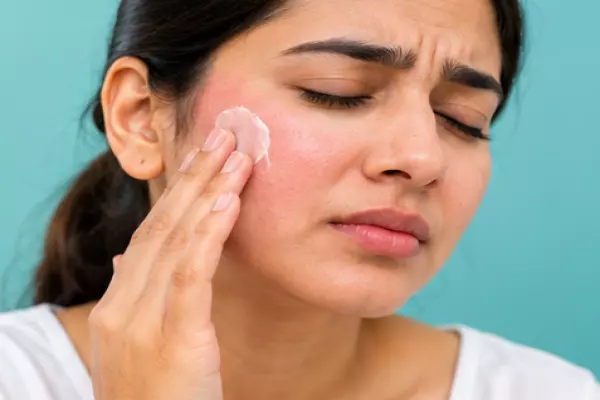
3. Sensitive and Reactive Skin:
Some people experience burning, stinging or redness when applying products that previously suited their skin. This may happen when the skin barrier is irritated. Temporarily simplifying your routine and avoiding fragranced products may help. Persistent reactions need professional evaluation.
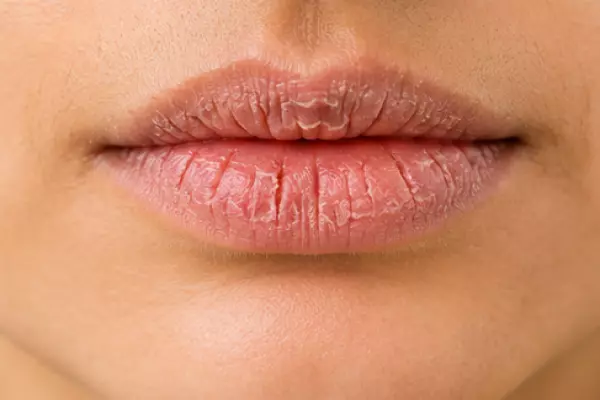
4. Chapped Lips:
The skin on the lips is delicate and can become dry during winter. Frequent lip licking may make the problem worse. Apply a plain, fragrance-free lip balm or petroleum jelly regularly. Consider a lip product with SPF when spending time outdoors.
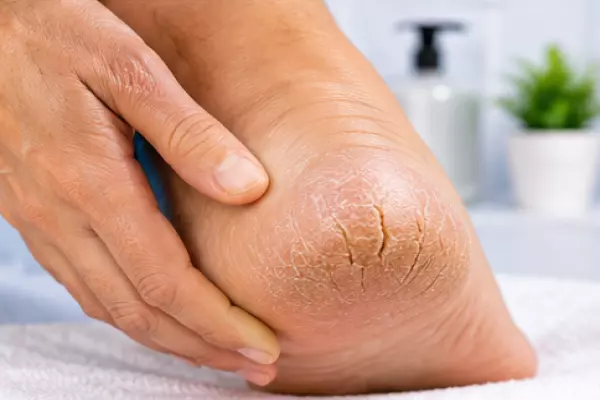
5. Dry Hands and Cracked Heels:
Frequent handwashing, sanitiser use and exposure to dry air can make hands rough and cracked. Heels may also develop thick, dry skin. Apply a moisturising hand cream after washing and use a suitable foot cream for dry heels. Deep, painful or bleeding cracks should be assessed by a healthcare professional.

6. Eczema Flare-Ups:
People with eczema may experience increased dryness, itching and inflammation during colder or drier conditions. Eczema requires an individualised treatment plan. Moisturisers support the skin barrier, but they may not be sufficient to control an active flare. Learn more about Skin Allergy Treatment in Pune if you are experiencing recurring itching, redness or irritation.
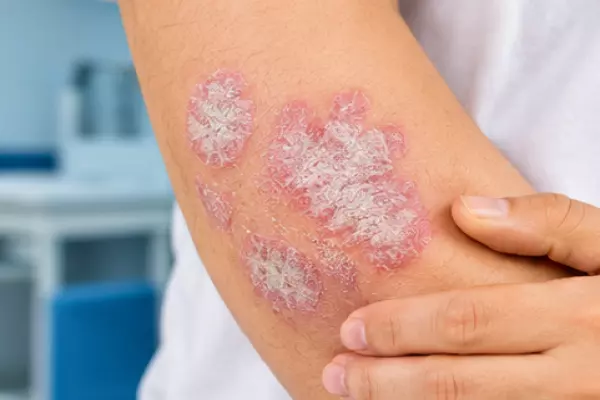
7. Psoriasis Symptoms:
Psoriasis is a chronic inflammatory skin condition. Some people find that their symptoms become more noticeable during winter. Common signs include well-defined patches, scaling and itching. Persistent or worsening symptoms should be assessed by a dermatologist. For more information, explore Psoriasis Treatment in Pune.
The Best Winter Skincare Routine for Pune Residents:
A good winter skincare routine should be simple, consistent and suitable for your skin type. You do not need to use several serums or complicated skincare products to maintain healthy skin.
Morning Skincare Routine:
- Step – Cleanse Gently: Use a mild, fragrance-free cleanser that does not leave your skin feeling tight. If your skin is very dry, rinsing with lukewarm water in the morning may be sufficient, depending on your skin type and dermatologist’s advice. Avoid harsh soaps and excessive cleansing.
- Step – Apply a Suitable Moisturiser: Moisturising is one of the most important steps in winter skincare. Choose a moisturiser according to your skin type. Products containing ceramides, glycerin or hyaluronic acid may help support hydration. Apply it while your skin is slightly damp to help retain moisture.
- Step – Apply Sunscreen: Do not skip sunscreen during winter. UV exposure can still affect your skin on cool or cloudy days. Choose a broad-spectrum sunscreen with SPF 30 or higher. Apply it to exposed areas, including your face, neck and hands. Reapply when needed, particularly during prolonged outdoor exposure.
Night Skincare Routine:
Your night routine should focus on cleansing and restoring moisture.
- Remove sunscreen, makeup and daily impurities using a gentle cleanser.
- Apply a moisturiser suitable for your skin type.
- Use a richer cream on particularly dry areas if required.
- Apply petroleum jelly to very dry patches or lips if suitable for your skin.
If you use prescription skincare products, follow your dermatologist’s instructions rather than changing your treatment independently.
Which Moisturiser Ingredients Help Dry Skin in Winter?
Choosing a moisturiser based on its ingredients can make your winter skincare routine more effective.
Moisturising ingredients generally work in three ways: attracting water, softening the skin and reducing moisture loss.
Winter Skincare Routine According to Your Skin Type:
Not everyone needs the same moisturiser or cleanser. Your winter skincare products should match your skin type.
Dry Skin:
- Choose a gentle cream-based cleanser.
- Use a richer moisturiser containing ceramides or glycerin.
- Apply moisturiser after bathing and whenever your skin feels dry.
- Avoid frequent exfoliation and harsh soaps.
Oily and Acne-Prone Skin:
Oily skin can also feel dehydrated during winter. Avoid skipping moisturiser just because your skin produces excess oil.
- Choose a gentle gel cleanser.
- Use a lightweight, non-comedogenic moisturiser.
- Avoid excessively drying acne cleansers.
- Continue prescribed acne treatment as directed.
Combination Skin:
If your T-zone is oily but your cheeks feel dry, use products according to the needs of different areas.
- Choose a gentle cleanser.
- Apply a lightweight moisturiser across the face.
- Use a richer cream on dry patches if needed.
- Avoid applying heavy products unnecessarily to oily areas.
Sensitive Skin:
Sensitive skin needs a particularly gentle routine.
- Choose fragrance-free skincare products.
- Avoid unnecessary scrubs and strong exfoliating acids.
- Introduce new products one at a time.
- Stop using products that repeatedly cause burning or irritation.
If your skin reacts frequently, consult a dermatologist to identify possible triggers.
How Can You Repair a Damaged Skin Barrier During Winter?
A healthy skin barrier helps retain moisture and protect the skin from irritants. When it becomes compromised, you may notice tightness, redness, flaking, burning or increased sensitivity.
Follow these general steps to support skin barrier care:
- Use a mild, non-foaming cleanser.
- Avoid hot water and prolonged showers.
- Apply a moisturiser containing suitable barrier-supporting ingredients.
- Avoid unnecessary exfoliation and harsh skincare products.
- Protect your skin from sun exposure.
- Introduce new products gradually.
A compromised skin barrier may improve with consistent gentle care, but not every case of redness, itching or burning is caused by barrier damage. Eczema, contact dermatitis and other skin conditions can produce similar symptoms.
If the problem continues or becomes severe, a dermatologist can assess the underlying cause and recommend an appropriate treatment plan.
When Should You Consult a Dermatologist for Dry Skin?
Occasional dryness may improve with regular moisturising and gentle skincare. However, some symptoms need medical attention.
Consider consulting a dermatologist if you experience:
- Persistent itching that affects sleep or daily activities.
- Red, inflamed or spreading patches.
- Cracks, bleeding or painful skin.
- Burning or stinging after applying several different products.
- Repeated eczema-like flare-ups.
- Thick scaling or persistent patches.
- Dryness that does not improve despite consistent skincare.
A dermatologist can examine your skin, identify possible causes and recommend suitable treatment based on your condition.
Can Professional Skin Treatments Help With Winter Dryness?
Daily skincare is the foundation of winter skin care. Some people also explore professional skin treatments for concerns such as dullness, uneven texture or dehydration.
However, a cosmetic procedure is not necessary for everyone and should not replace appropriate medical treatment.
HydraFacial Treatment:
HydraFacial is a cosmetic facial treatment that combines cleansing, exfoliation and hydration-focused steps. It may be considered by selected individuals seeking improvement in skin appearance and hydration.
It is not a treatment for eczema, allergic dermatitis, psoriasis or an actively damaged skin barrier. If you have redness, burning, an active rash or significant irritation, get a dermatologist’s assessment before considering a facial procedure.
Learn more about HydraFacial Treatment in Pune and whether it may be appropriate for your skin.
Why Consult Dr. Ruchi Bhirud for Skin Concerns in Pune?
Dryness, itching, sensitivity and recurring skin irritation can have different causes. Choosing products without understanding the underlying problem may not provide lasting relief.
Dr. Ruchi Bhirud (Jawale), Dermatologist and Aesthetic Surgeon in Pune, provides dermatological consultation for skin and hair concerns. An assessment can help identify whether your symptoms are related to simple dryness, skin barrier irritation, eczema, contact dermatitis or another skin condition.
If you are experiencing persistent winter dryness or sensitivity, consider consulting a dermatologist for guidance suited to your skin.
- Book a Consultation
- Doctor: Dr. Ruchi Bhirud (Jawale)
- Phone: 9766970697
Take the first step towards understanding your skin concerns and building a skincare routine that works for you.
Frequently Asked Questions About Winter Skin Care in Pune:
How can I protect my skin during winter in Pune?
Use a gentle cleanser, apply a suitable moisturiser regularly and wear broad-spectrum SPF 30 or higher. Avoid hot showers, harsh soaps and excessive exfoliation.
Which moisturiser is best for dry skin in winter?
Look for a moisturiser containing ingredients such as glycerin, ceramides, hyaluronic acid or petrolatum. Creams and ointments may be more suitable than lightweight lotions for very dry skin.
Should I use sunscreen during winter?
Yes. UV exposure occurs throughout the year. Use a broad-spectrum sunscreen with SPF 30 or higher, even during cooler weather.
How often should I apply moisturiser during winter?
Apply moisturiser after bathing or washing your face and again whenever your skin feels dry. Very dry skin may need more frequent application.
Can winter cause eczema or skin allergy symptoms to increase?
Cold or dry conditions may aggravate symptoms in some people with eczema. Persistent itching, redness or rashes should be assessed by a dermatologist.
Final Thoughts:
Winter skincare in Pune should focus on maintaining hydration, protecting the skin barrier and choosing products that suit your skin type. A gentle cleanser, an appropriate moisturiser and regular sunscreen use can form the foundation of a practical winter routine.
Avoid unnecessary skincare experimentation, especially when your skin is already irritated. If dryness, itching or redness continues despite basic care, professional dermatological advice can help identify the cause and guide suitable treatment.
Healthy winter skin starts with a consistent routine and the right care for your skin.
Medical Disclaimer:
This article is intended for general educational purposes and does not replace a medical consultation, diagnosis or personalised treatment. Skincare ingredients and treatments may not be suitable for everyone. Consult a qualified dermatologist if you have persistent dryness, irritation, itching, rashes or other skin concerns.
